

You just mopped your tile floor expecting a sparkling shine but instead, it looks dull, streaky, or even cloudy.
If this sounds familiar, you’re not alone. Many homeowners deal with cloudy tile floors after mopping, wondering what went wrong.
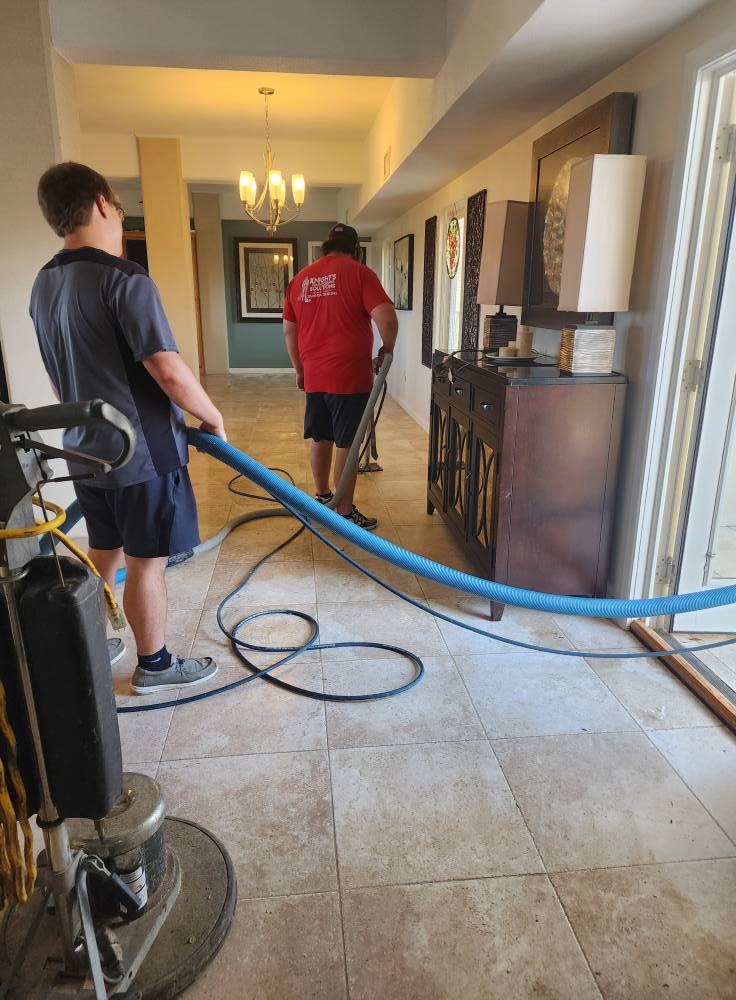
At Knight’s Coastal Cleaning Solutions, we specialize in tile and grout cleaning service, and we’ve seen this issue countless times. The good news? The cloudiness isn’t permanent and with the right approach, your tiles can look bright, clear, and polished again.
In this guide, we’ll explain the common causes of cloudy tile floors, how to clean cloudy tile floors the right way, and when to call in professionals to restore the natural shine of your tile.
What Causes Cloudy or Hazy Tile Floors?
The cloudiness on tile isn’t random it’s almost always caused by residue, buildup, or improper cleaning techniques. Here are the main reasons why your tile floors look cloudy after mopping.
1. Residue from Cleaning Products
Using too much floor cleaner or the wrong kind can leave behind a thin film on your tiles.
Most commercial cleaners contain surfactants that lift dirt but also leave residue when not fully rinsed away. Over time, this buildup causes a dull, cloudy residue on tiles that makes your floors look dirty even when they’re not.
Tip: Always dilute your cleaner according to instructions, and avoid “multi-surface” products unless they’re labeled safe for tile and grout.
2. Improper Rinsing
If you don’t rinse after cleaning, the leftover solution dries on the surface, creating haze. Even eco-friendly cleaners can leave a film on floors after mopping if not properly rinsed.
After mopping with a solution, go over your tiles again with clean, warm water to remove every trace of residue.
This simple step is often what separates a cloudy floor from a glossy one.
3. Hard Water Deposits
If you live in an area with hard water, the minerals in it (like calcium and magnesium) can leave behind a white cloudy film on tile floors after the water evaporates. This mineral residue can look chalky and is especially noticeable on dark tiles.
You can prevent this by drying your floors immediately after mopping or by using distilled water in your mop bucket.
4. Dirty Mop or Contaminated Water
Reusing dirty mop water is one of the most common mistakes homeowners make.
Each time you dip a dirty mop back into the bucket, you’re spreading grime instead of removing it.
This creates a muddy film that dries into a hazy tile floor.
Pro tip from KCCS: Change your mop water frequently (every 150–200 sq. ft.), and rinse the mop head often. A microfiber mop is best for trapping dirt rather than pushing it around.
5. Grout Haze
If you’ve recently had new tile installed or regrouted, the grout haze left behind after installation could be the culprit.
Grout haze is a thin layer of leftover grout particles that dry on top of the tiles, making them look dull and foggy. It doesn’t come off easily with regular mopping you’ll need a specific cleaner or book a professional grout cleaning service to remove it completely.
How to Clean Cloudy Tile Floors and Restore Shine
Follow these steps to bring back the shine and clarity of your tiles.
Step 1: Sweep or Vacuum Thoroughly
Before mopping, always remove dust and debris first.
Sweeping or vacuuming prevents dirt from mixing with your cleaning solution, which causes streaks and haze.
Step 2: Use the Right Cleaner
Choose a tile floor cleaning product specifically formulated for your floor type (ceramic, porcelain, or natural stone).
Avoid harsh soaps, bleach, or products that claim to “add shine,” as these often leave more residue.
If you prefer a DIY method, you can mix:
1 gallon of warm water
1 cup of white vinegar
This mild vinegar and water solution helps break down film and remove cloudy buildup naturally.
Step 3: Mop with Clean Water
Use a damp mop, not soaking wet, and rinse it often in clean water.
If your water starts to look dirty, replace it immediately. This helps you avoid redepositing grime back onto your tiles.
Step 4: Rinse the Floor
After mopping with a cleaner, rinse the floor with clean, warm water to remove any leftover solution.
This step is critical for eliminating the haze on tile floors after cleaning.
Step 5: Dry the Floor Completely
Water left sitting on the surface can cause streaks and dull tile floors after mopping.
Drying with a clean microfiber towel or dry mop helps prevent mineral spots and gives your tiles a polished finish.
How to Remove Stubborn Haze or Film on Tile Floors
If you’ve tried cleaning and your floors still look cloudy, try one of these methods:
Vinegar rinse: Mix 1 part white vinegar with 4 parts water, mop, then rinse with clean water. This removes light haze and hard water residue.
Baking soda paste: For heavy buildup, make a paste of baking soda and water. Apply to a small area, scrub gently, then rinse.
Professional tile & grout cleaning service: When nothing seems to work, book professional tile and grout cleaning service – like Knight’s Coastal Cleaning Solutions use specialized tools and solutions that safely remove buildup and restore shine without damaging your tile finish.
How to Keep Tile Floors from Getting Cloudy Again
Prevention is easier than constant correction. Follow these habits to maintain a crystal-clear shine:
Sweep or vacuum regularly to prevent dirt buildup
Use the correct dilution ratio for cleaning products
Rinse thoroughly every time you mop
Use soft, clean microfiber mop heads
Dry floors after cleaning to prevent mineral deposits from hard water
Schedule periodic professional deep cleaning for your tile and grout atleast twice a year
What is the cloudy residue on my tiles?
It’s usually leftover cleaner or hard water deposits. Sometimes it’s grout haze, especially after new installation.
How can I remove haze from tile floors after cleaning?
Use a vinegar-water mix (1:4) or a professional haze remover. If that fails, hire a professional tile and grout cleaning company like Knight’s Coastal Cleaning Solutions.
How do you make tile floors shine after mopping?
Rinse with clean water, dry the surface completely, and use a cleaner made for tile. Avoid wax-based or oil soaps that create buildup.
Is vinegar safe for all tile types?
Vinegar is safe for ceramic and porcelain but should be avoided on natural stone like marble or travertine, as it can etch the surface.
Final Thoughts
Cloudy tile floors after mopping are frustrating, but they’re usually caused by residue, hard water, or incorrect cleaning habits not permanent damage.
With the right method, you can easily remove haze from tiles, prevent film buildup, and keep your floors looking fresh and bright year-round.
If your tiles still appear dull after cleaning, or you notice stubborn buildup, it might be time for professional help.
At KCCS, our tile and grout cleaning service specialists use eco-safe, residue-free solutions and advanced extraction tools to bring back the natural luster of your floors.
Book your professional tile floor cleaning today with Knight’s Coastal Cleaning Solutions and enjoy spotless, streak-free tiles that truly shine.